The Complete Guide
What Is a #no-context Channel?
The funniest Slack channel your team isn't using yet — and why thousands of companies swear by it.
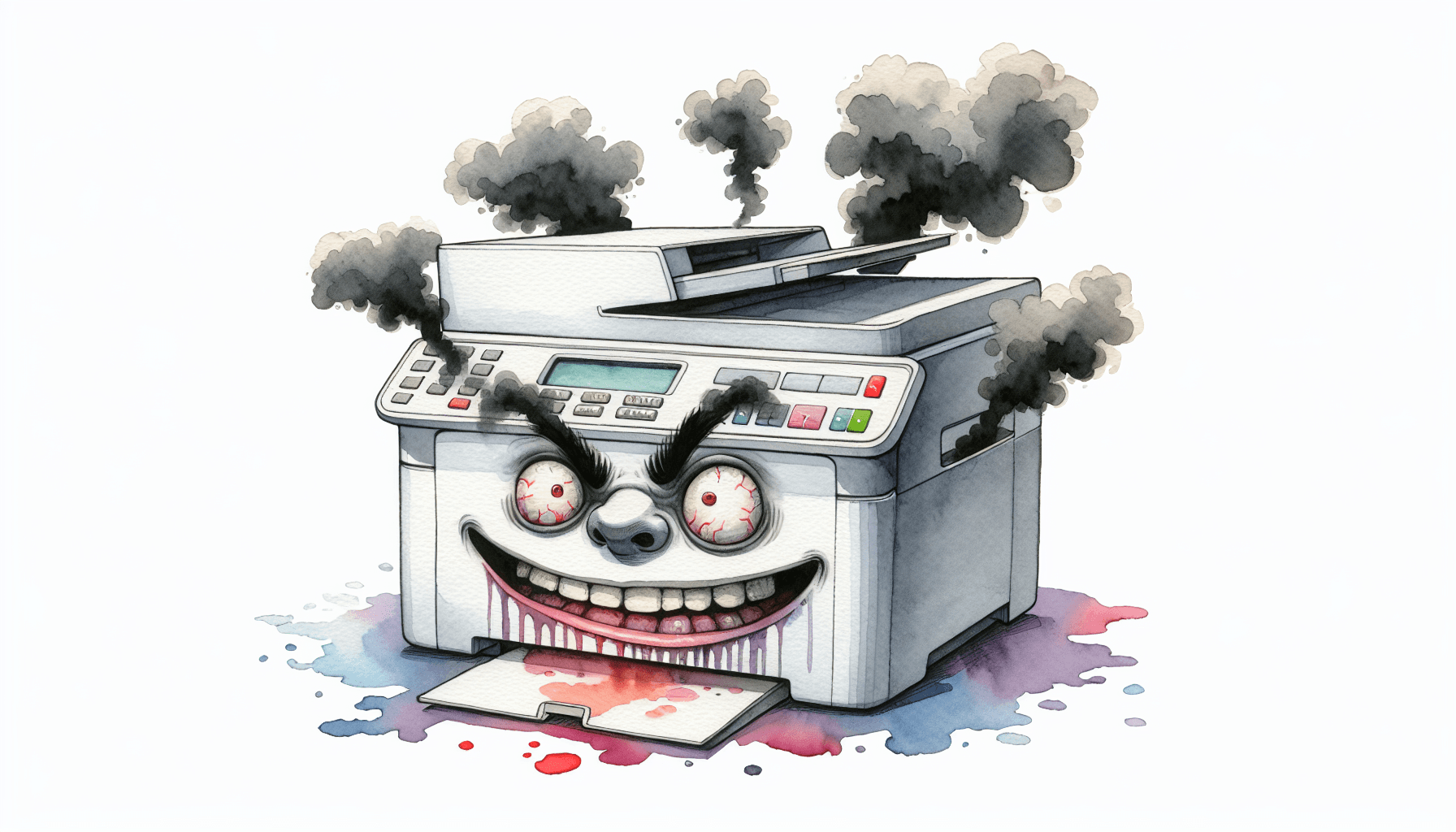

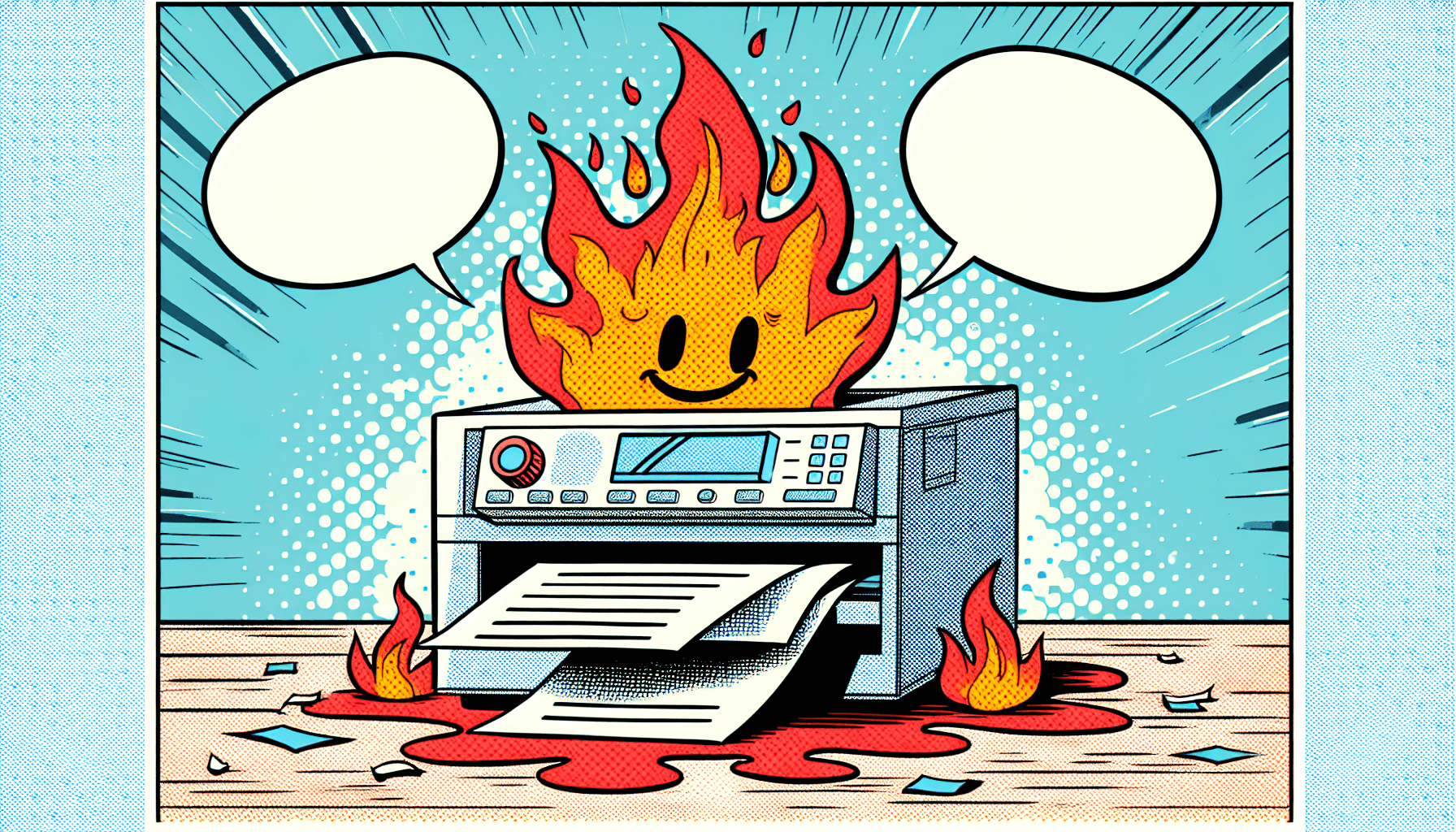
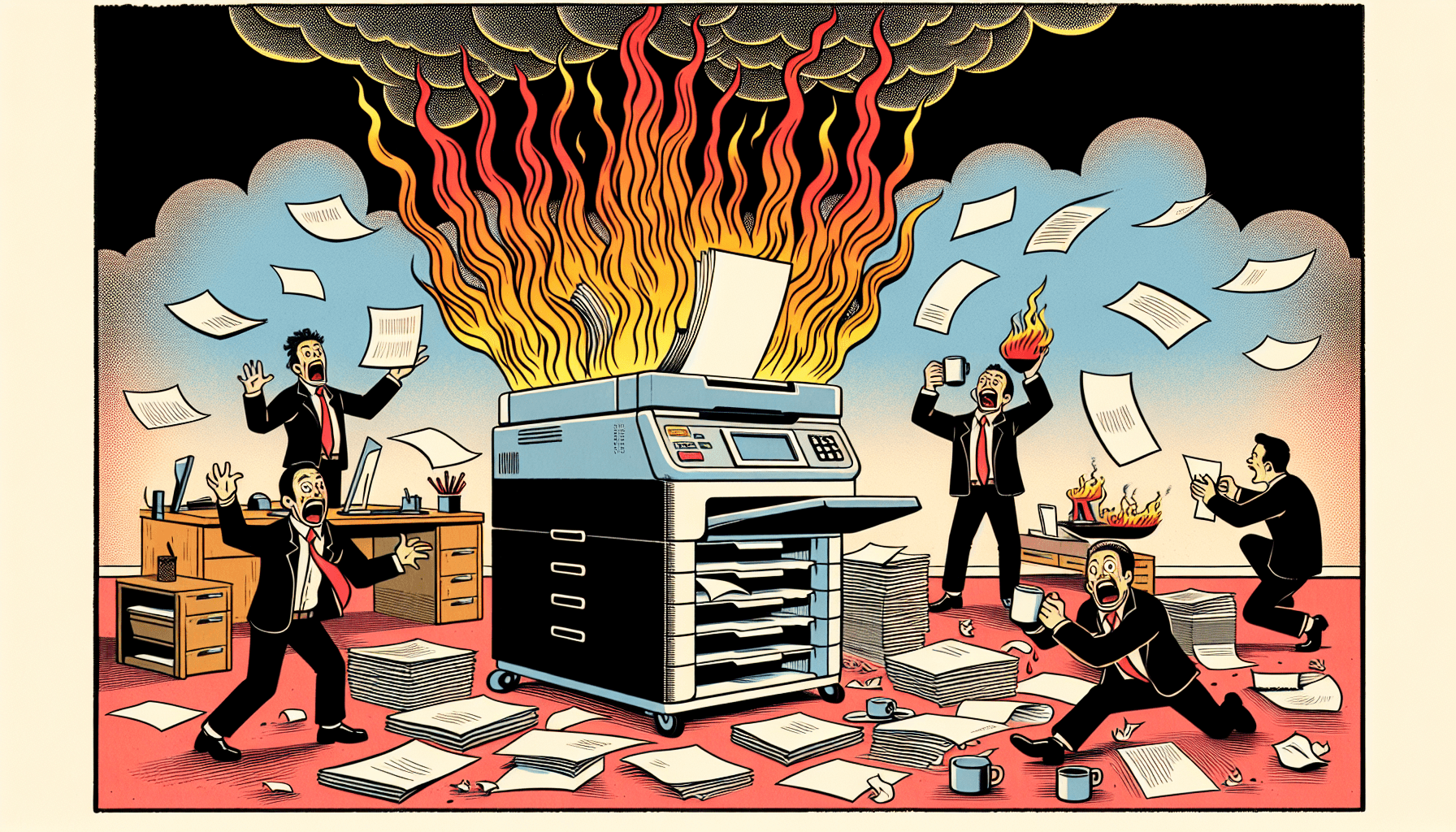

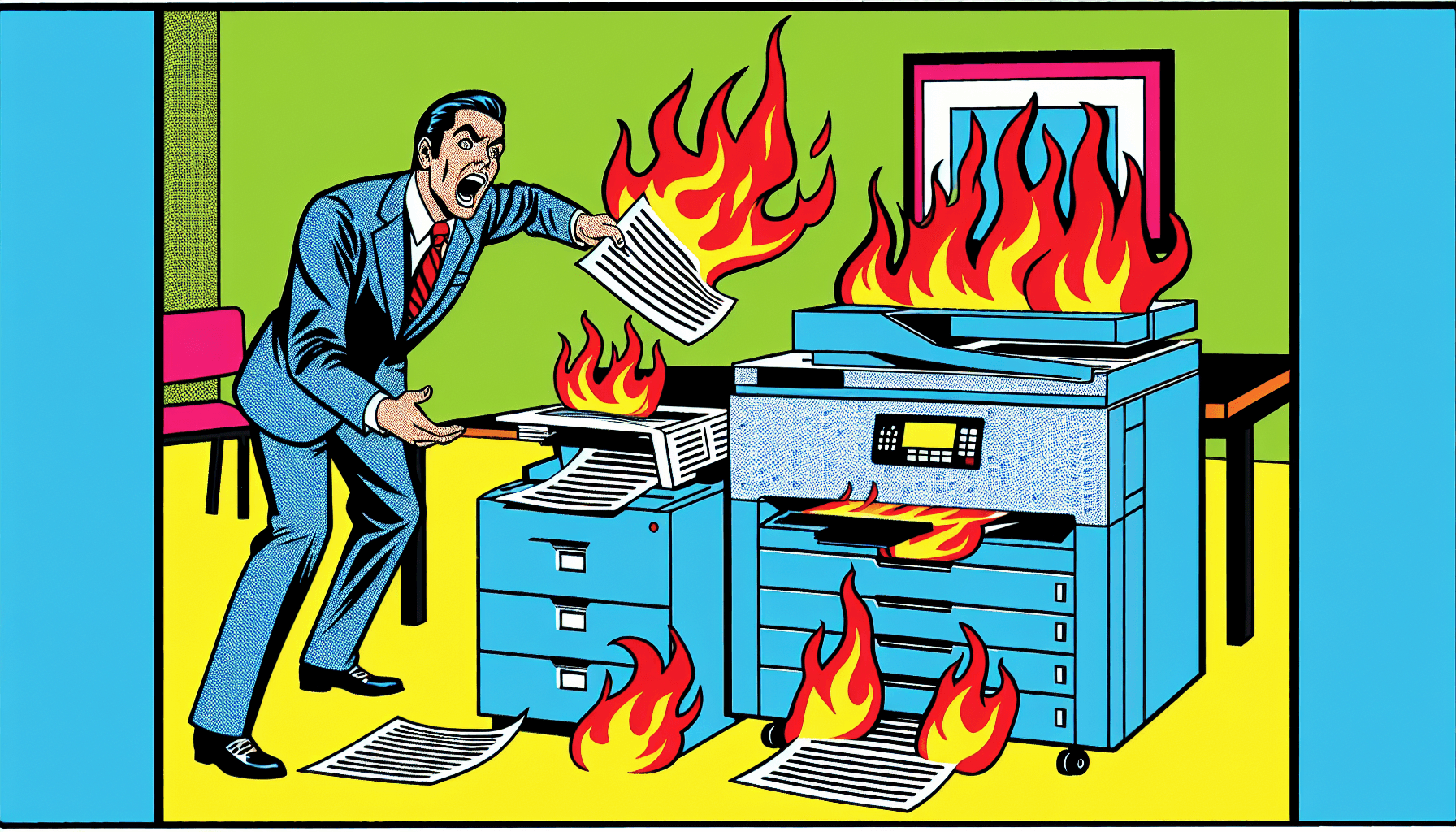
AI-generated paintings created from real #no-context quotes
If you've worked at a startup, a tech company, or really any modern workplace that uses Slack, you've probably heard someone mention their #no-context channel. Maybe a coworker was laughing at their screen and said “sorry, #no-context is on fire today.” Maybe you saw it in a company's culture page. Maybe you're just curious.
Either way, you're in the right place. Here's everything you need to know about the most beloved Slack channel in the modern workplace.
The Short Answer
A #no-context channel is a Slack channel where your team posts the funniest, most absurd things people say at work — completely stripped of context.
Someone says something hilarious in a meeting? Drop the quote in #no-context. A coworker has a legendary hot take on a Zoom call? Into the channel it goes. The only rule: no context allowed.
That's the magic. Without knowing the situation, the quote becomes something entirely different — and usually ten times funnier. A perfectly reasonable statement about a database migration becomes an existential crisis. A comment about the office coffee becomes poetry.
What Does It Actually Look Like?
Here's what a typical #no-context channel looks like in practice. Imagine scrolling through and seeing:
“I'm not saying it was aliens, but it was definitely the intern”
— Mike, Engineering
“The printer is absolutely haunted and I will die on this hill”
— Sarah, Design
“I've been on mute for 40 minutes and honestly it was the best meeting I've ever had”
— Jake, Product
“Can we not talk about the cheese incident?”
— Lisa, Operations
“I don't trust anyone who puts ketchup on a deployment”
— Dev, Engineering
No explanation. No backstory. Just pure, unfiltered comedy gold ripped from the context that made it make sense.
Why Every Team Needs a #no-context Channel
At first glance, a #no-context channel might seem like a silly distraction. But ask anyone who has one and they'll tell you: it's one of the most important channels in their workspace. Here's why.
It Builds Real Team Culture
Culture isn't built in all-hands meetings or team offsites. It's built in the small, everyday moments — the jokes, the running gags, the shared language that only your team understands. A #no-context channel captures those moments and gives them a permanent home.
It Boosts Morale (Especially on Hard Days)
When deadlines are tight and stress is high, scrolling through your team's #no-context channel is a guaranteed mood lifter. It's a reminder that your coworkers are real, funny humans — not just names on a screen. For remote and hybrid teams especially, this is invaluable.
It Creates Legendary Inside Jokes
Months later, someone will reference “the cheese incident” and the whole team will lose it. #no-context becomes the canonical record of your team's funniest moments. New hires scroll through it on their first week to get a feel for the vibe.
It's Effortless
Unlike most team-building activities, a #no-context channel requires zero planning, zero budget, and zero coordination. Someone says something funny, someone else posts it. That's the entire workflow.
It Works for Remote Teams
Remote and distributed teams often struggle to build the kind of organic camaraderie that happens naturally in an office. A #no-context channel bridges that gap. It gives remote workers a window into the humor and personality of people they might never meet in person.
How to Start a #no-context Channel
Starting one is easy. Making it stick takes a little intention. Here's a step-by-step guide:
Create the Channel
In Slack, create a new public channel. Name it #no-context. Some teams use variations like #out-of-context or #zero-context, but #no-context is the classic.
Set the Channel Description
Keep it simple: “Post funny quotes from coworkers, completely out of context. No explanation allowed.” This tells new members everything they need to know.
Drop the First Quote
Don't wait for someone else. Post the first quote yourself to set the tone. Pick something genuinely funny that happened recently. The first quote matters — it signals what the channel is about.
Invite the Team
Share the channel in a team-wide message or mention it at standup. The channel grows organically once people see a few good quotes. Within a week, it'll be the most-checked channel in your workspace.
Let It Grow
The best #no-context channels are organic. Don't force it. Don't over-moderate. Just let people post what's funny and watch the channel become a team favorite.
The Unwritten Rules of #no-context
Every great #no-context channel follows a few unspoken guidelines. These aren't enforced — they're just what makes the channel work.
Never Explain the Quote
The whole point is no context. If someone asks for context, the correct response is silence (or more quotes).
Always Attribute
Include who said it: "I think the server is alive" — Jake, Engineering. The attribution makes it funnier.
Keep It Lighthearted
This isn't a place for gossip or mean-spirited content. If it would make the person uncomfortable, don't post it.
The Funnier Out of Context, the Better
The best quotes are perfectly normal in context but absolutely unhinged without it.
Don't Overthink It
Not every quote needs to be a masterpiece. Volume is part of the charm. Some quotes are just mildly funny, and that's fine.
React, Don't Reply
Emoji reactions are the preferred way to respond. A 😂 or 💀 says everything. Thread replies can clutter the feed.
How #no-context Became a Workplace Phenomenon
The concept of posting out-of-context quotes isn't new — people have been collecting overheard gems forever. But Slack gave it the perfect home. Unlike a group chat or an email thread, a dedicated Slack channel creates a searchable, scrollable archive of your team's funniest moments.
The trend took off in tech companies and startups in the late 2010s, and by now it's spread to companies of all sizes and industries. Marketing teams, engineering orgs, agencies, nonprofits — wherever there are funny people saying funny things (which is everywhere), a #no-context channel thrives.
What makes it special is how low-effort and high-reward it is. There's no planning required. No one has to organize anything. The content creates itself. All you need is a channel and coworkers who occasionally say unhinged things — which, let's be honest, is every team.
#no-context for Remote & Hybrid Teams
If there's one type of team that benefits the most from a #no-context channel, it's remote teams. When you don't share an office, you miss out on the spontaneous hallway conversations, the lunch table banter, and the overheard one-liners that make work feel human.
A #no-context channel recreates a piece of that magic. It's asynchronous, so it works across time zones. It's text-based, so introverts participate just as easily as extroverts. And it creates shared experiences for people who might never be in the same room.
For hybrid teams, #no-context bridges the gap between in-office and remote workers. Funny things happen on Zoom calls too — and now everyone gets to enjoy them, not just the people who were in the meeting.
Take It Further: Turn Quotes into Art
A #no-context channel is great on its own. But what if every quote also became a one-of-a-kind AI-generated painting?
“The printer is absolutely haunted and I will die on this hill”
Style: Watercolor
That's what No Context Bot does. It lives in your #no-context channel, automatically detects when someone posts a quote, and generates a unique AI painting inspired by the quote. Choose from 20+ art styles — Van Gogh, Picasso, Watercolor, Pop Art, Pixel Art, Studio Ghibli, and more.
Your #no-context channel becomes a gallery of inside jokes, each one immortalized as a piece of art. Teams print their favorites, set them as desktop wallpapers, and share them in all-hands meetings. It's team culture you can literally hang on a wall.
Frequently Asked Questions
Should I ask before posting someone's quote?
This depends on your team's culture. Most teams have an unspoken understanding that anything said in the open is fair game for #no-context. But if someone asks you not to post their quotes, respect that. The channel should be fun for everyone — including the people being quoted.
What if our team is small? Will it still work?
Absolutely. Some of the best #no-context channels come from teams of 5-10 people. Smaller teams often produce funnier content because everyone knows each other well enough to appreciate the humor. You don't need volume — you need funny people, and every team has those.
Does it work with Microsoft Teams?
The concept works on any messaging platform — you can create an out-of-context channel in Microsoft Teams, Discord, or anywhere else. However, the name #no-context is most commonly associated with Slack, and tools like No Context Bot are built specifically for Slack.
What's the difference between #no-context and #random?
#random is for anything — links, memes, thoughts, water cooler chat. #no-context is specifically for quotes from real people on your team, posted without any explanation. It's more focused, more personal, and usually much funnier.
Can we include quotes from external meetings or clients?
Most teams keep it internal — quotes from team members only. Posting client quotes can get tricky from a professionalism standpoint. When in doubt, keep it to people who are in on the joke.
Our team already has one. How do we make it better?
If your channel has gone quiet, try posting a few quotes yourself to kickstart it. You can also add No Context Bot to turn quotes into AI art — it tends to re-energize channels because people love seeing the generated paintings.
Ready to Start Your #no-context Channel?
Create the channel, drop the first quote, and add No Context Bot to turn every quote into a unique AI painting. Setup takes 60 seconds.
Free plan includes 3 AI-generated images per month. No credit card required.